
A friend asked me this over dinner, in the slightly accusing tone people use when they think you're about to sell them something. "Organic sheets. Is that a real thing or is it a label?" Fair question. I'd asked it myself before I started reading certification documents for fun, which is a sentence I never expected to write.
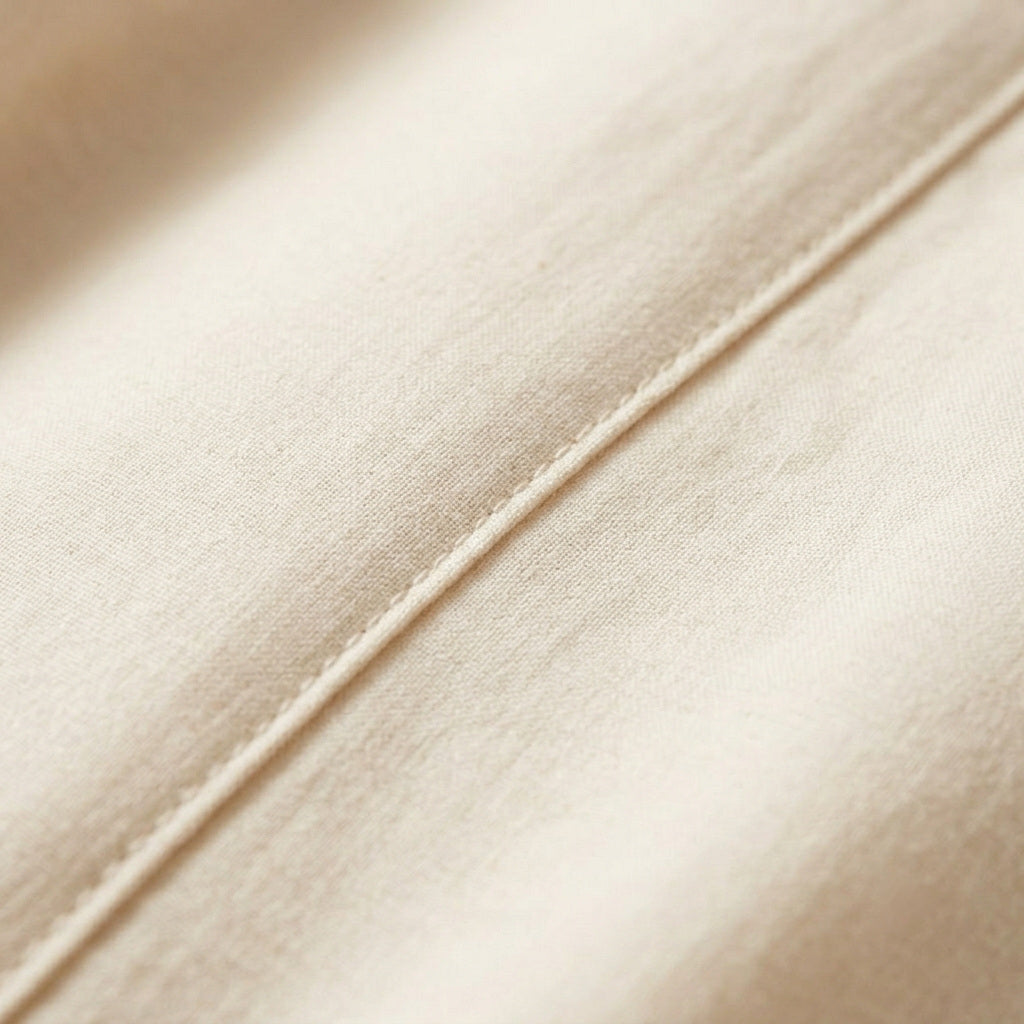
Here's the answer. If I handed you two swatches of cotton sateen, one organic and one conventional, same weave, same thread count, same fiber length, they'd feel alike in your hand. Cotton is cotton. The difference isn't in the touch.
So what are you buying? You're buying what happened before the sheet got to you. And that turns out to be a lot.
In the field
Conventional cotton is one of the more chemically intensive crops there is. A 2021 review in Renewable Agriculture and Food Systems puts cotton fourth in global pesticide use on about 2.5 percent of the world's farmed land. Synthetic fertilizers, insecticides, herbicides, defoliants sprayed before harvest so the machines can pick clean. Organic cotton is grown without synthetic pesticides or fertilizers and from seed that hasn't been genetically modified, which is the USDA's definition, not mine. The soil gets crop rotation and compost instead of a chemical program. It's a slower, more careful way to farm, and that care is part of what you're paying for.
In the mill, which is the part people skip
This is where I'd push back on the "just a label" idea the hardest. Raw cotton is only the start. To become a sheet it gets cleaned, spun, woven, usually bleached, often dyed, then finished, and every one of those steps normally involves chemistry. Some finishes are there to make a sheet feel smooth in the store. Some are there to resist wrinkles. Some are there to keep it looking white after the hundredth industrial wash. You don't see any of it on the label. You sleep on it.
GOTS, the Global Organic Textile Standard, is the certification I trust most because it follows the cotton through the mill. It restricts what can be used in bleaching, dyeing and finishing, it has rules about wastewater, and it requires basic labor standards at the facilities. I wrote a plain language walk through of what GOTS covers.
Organic is half the question
Softness, drape and breathability come from the length of the cotton fibers, the weave, the fabric weight and the finish. So when you're shopping, "organic" is one question and "is this great fabric" is the other, and you want a yes to both. I covered the fabric side in sateen vs percale and I did thread count on its own in does thread count matter, because that number has its own set of tricks.
Why I bothered
Three reasons, and they're personal.
One. You spend roughly a third of your life with your face on this fabric. When I found out what goes into a conventional sheet, I didn't want it to be the thing I breathe against for eight hours a night.
Two. The soil and the water. Organic farming uses less synthetic input, with crop rotation and compost doing the work a chemical program would otherwise do. That matters to me.
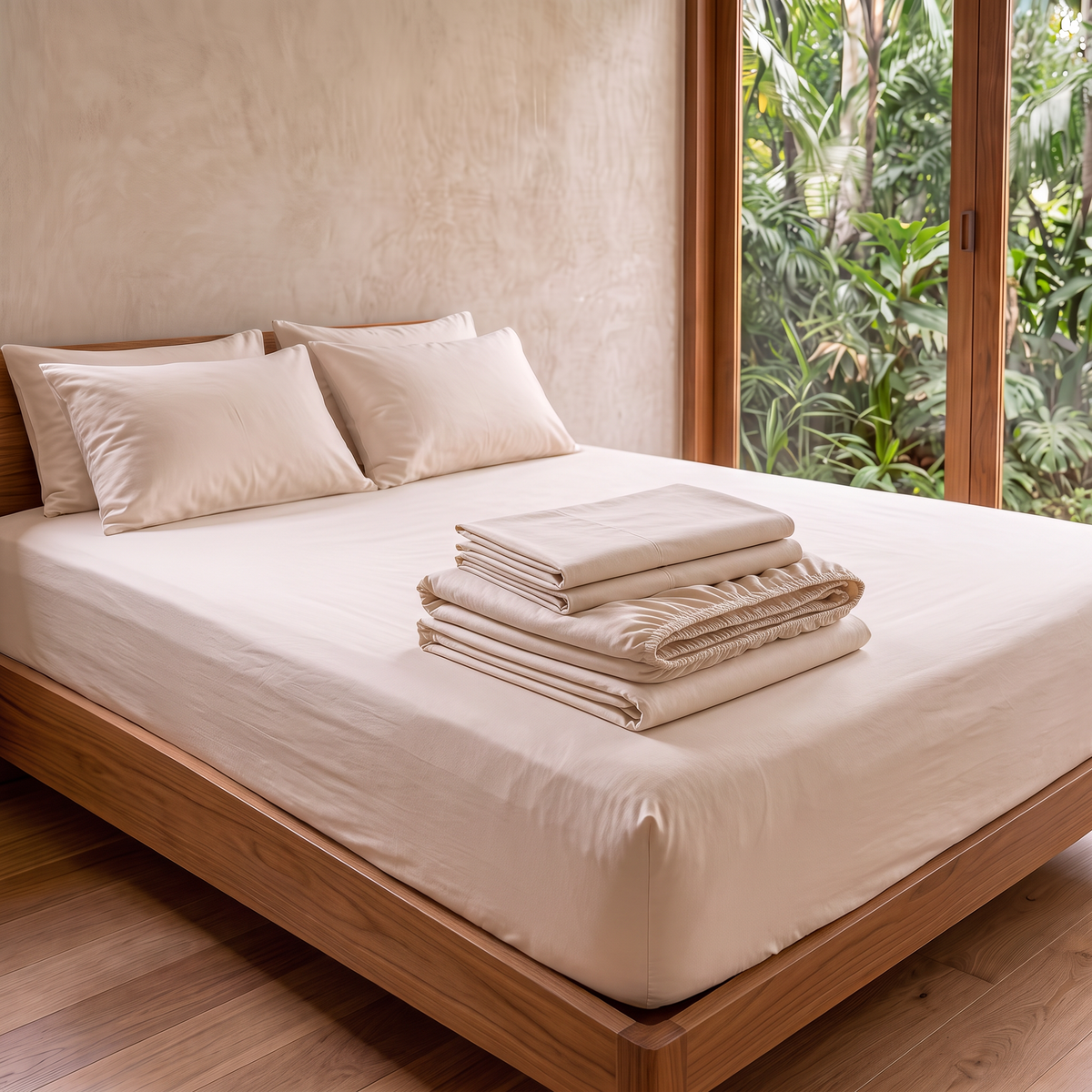
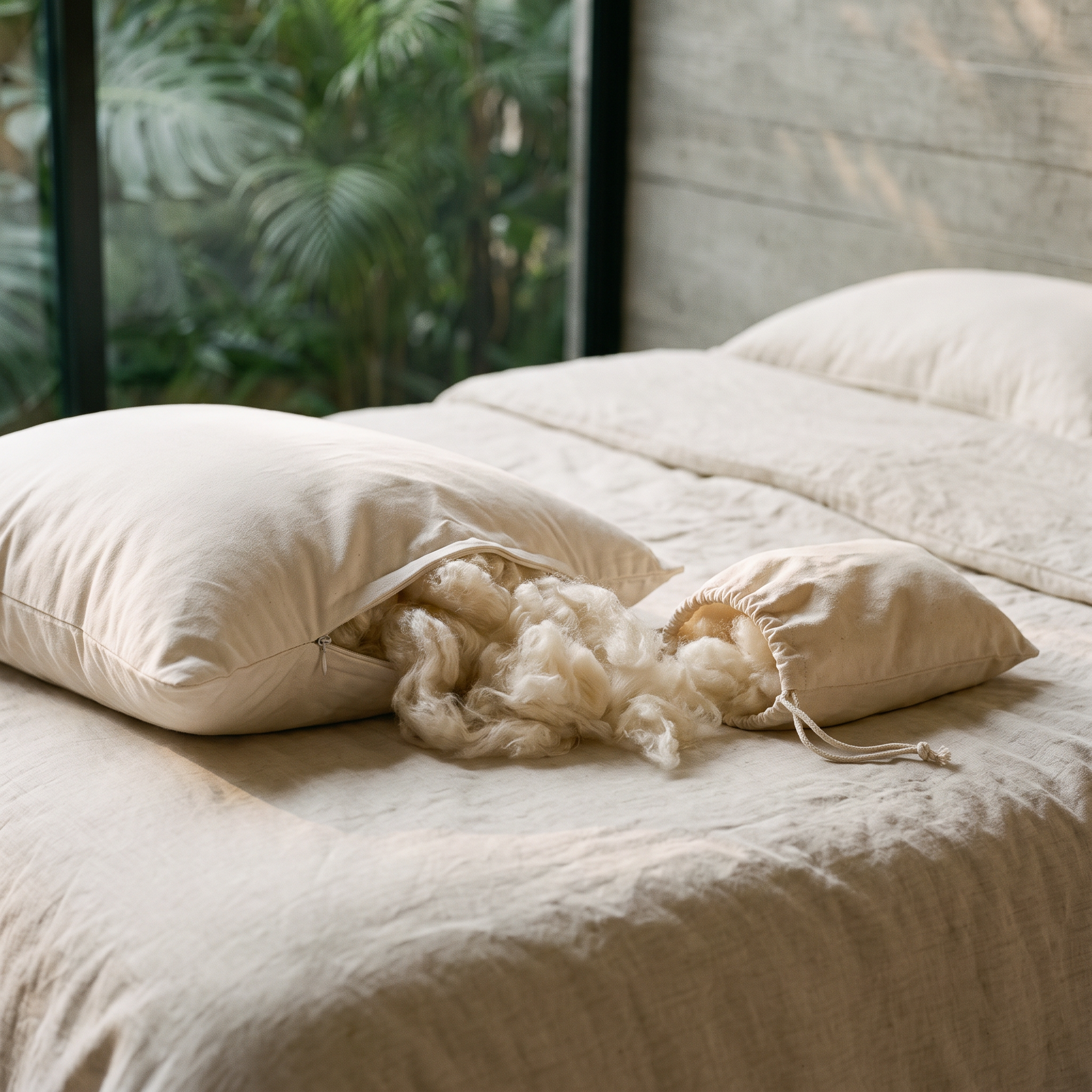
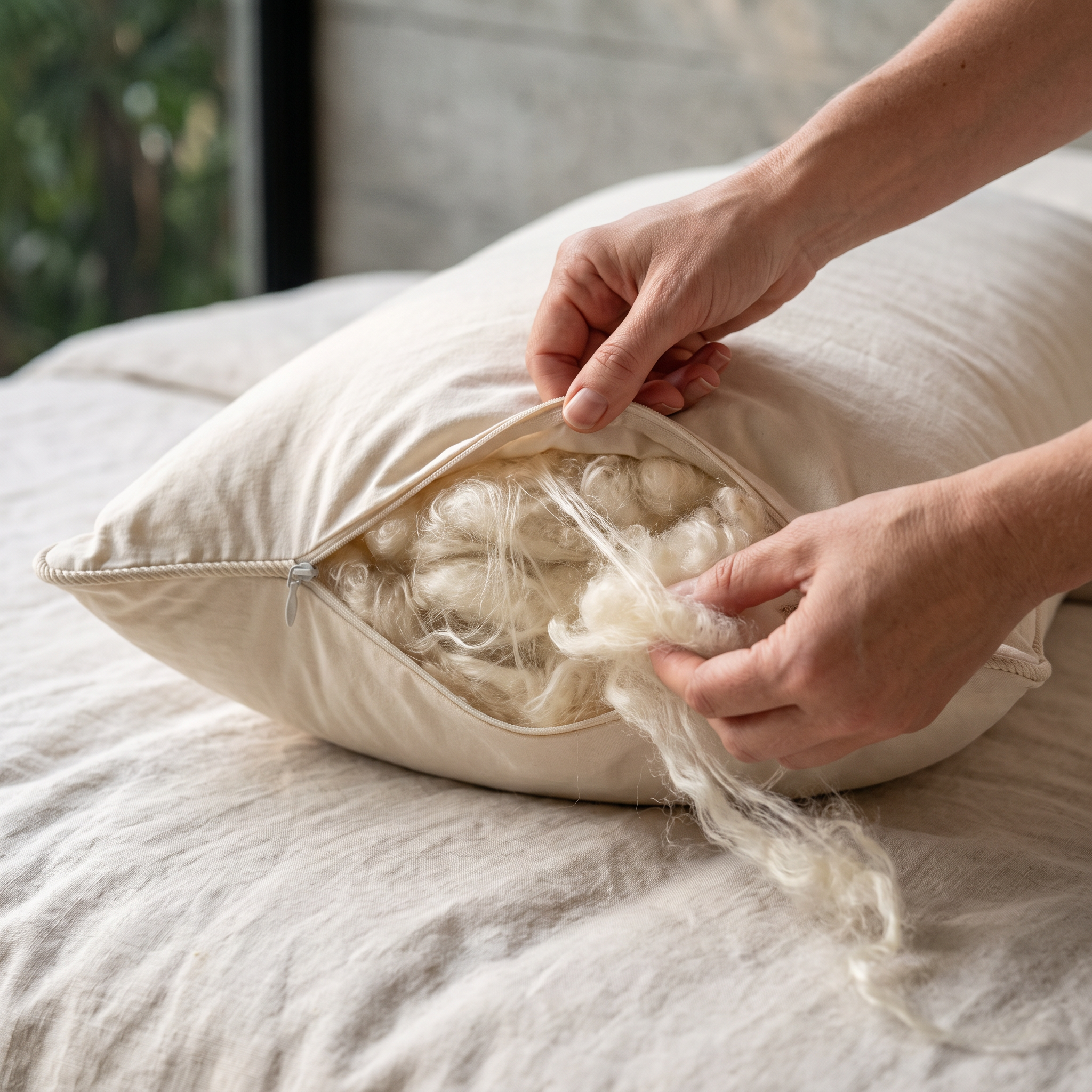
Three. It let us skip steps entirely. Our sheets are undyed and unbleached, which is two of the heaviest chemical stages just gone. The cotton is the color cotton is, a warm light ivory with a little natural variation between batches. Once I got used to it, bright white sheets started to look a little suspicious to me.
How to read a listing without getting played
Look for the name of an actual standard, not just the word organic. Look for a license number you can check. Be suspicious of a thread count above about 600, and of anything called "organic blend." Ask if the yarn is single ply. And if the listing won't tell you where the cotton is finished or what the finish is, assume there's a reason.
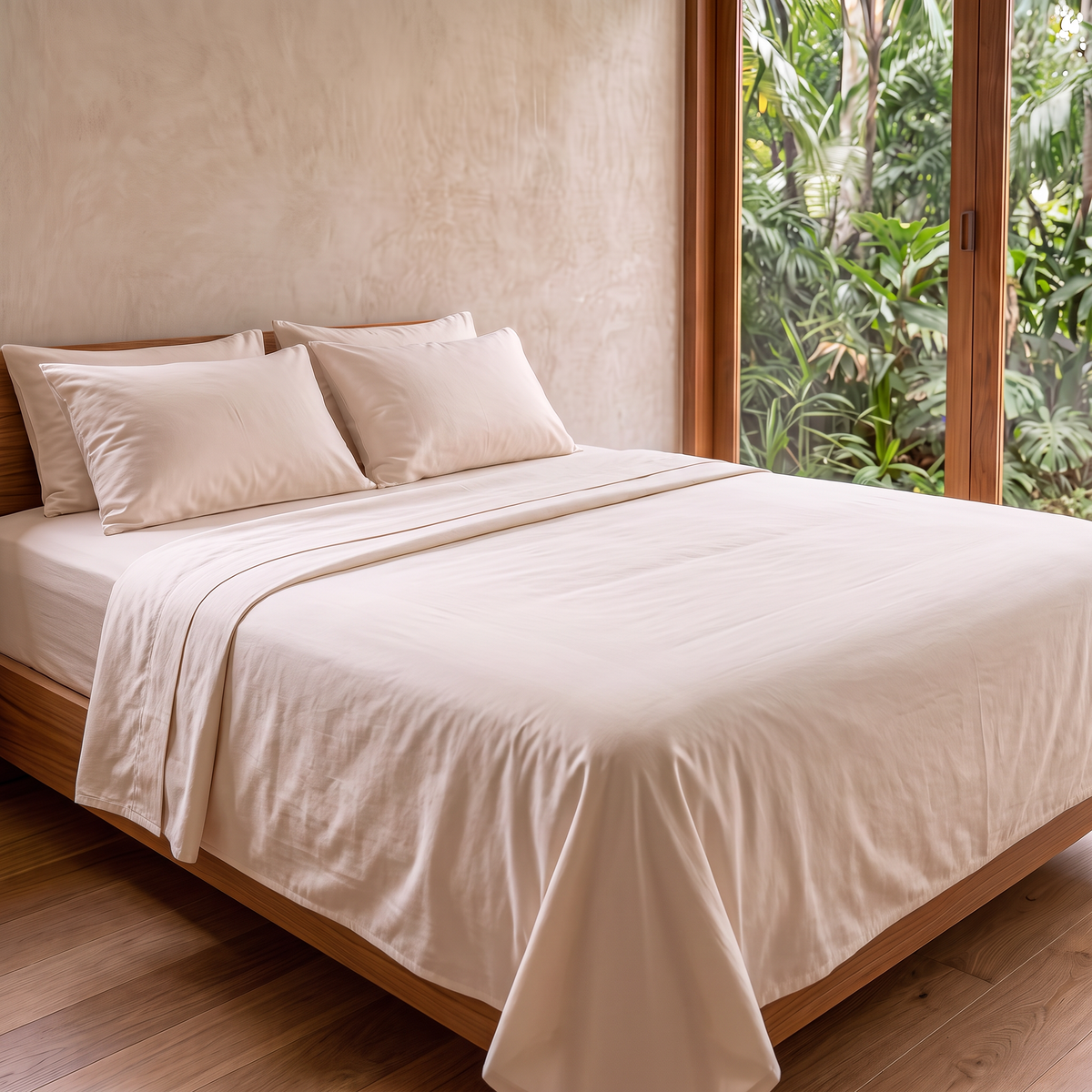
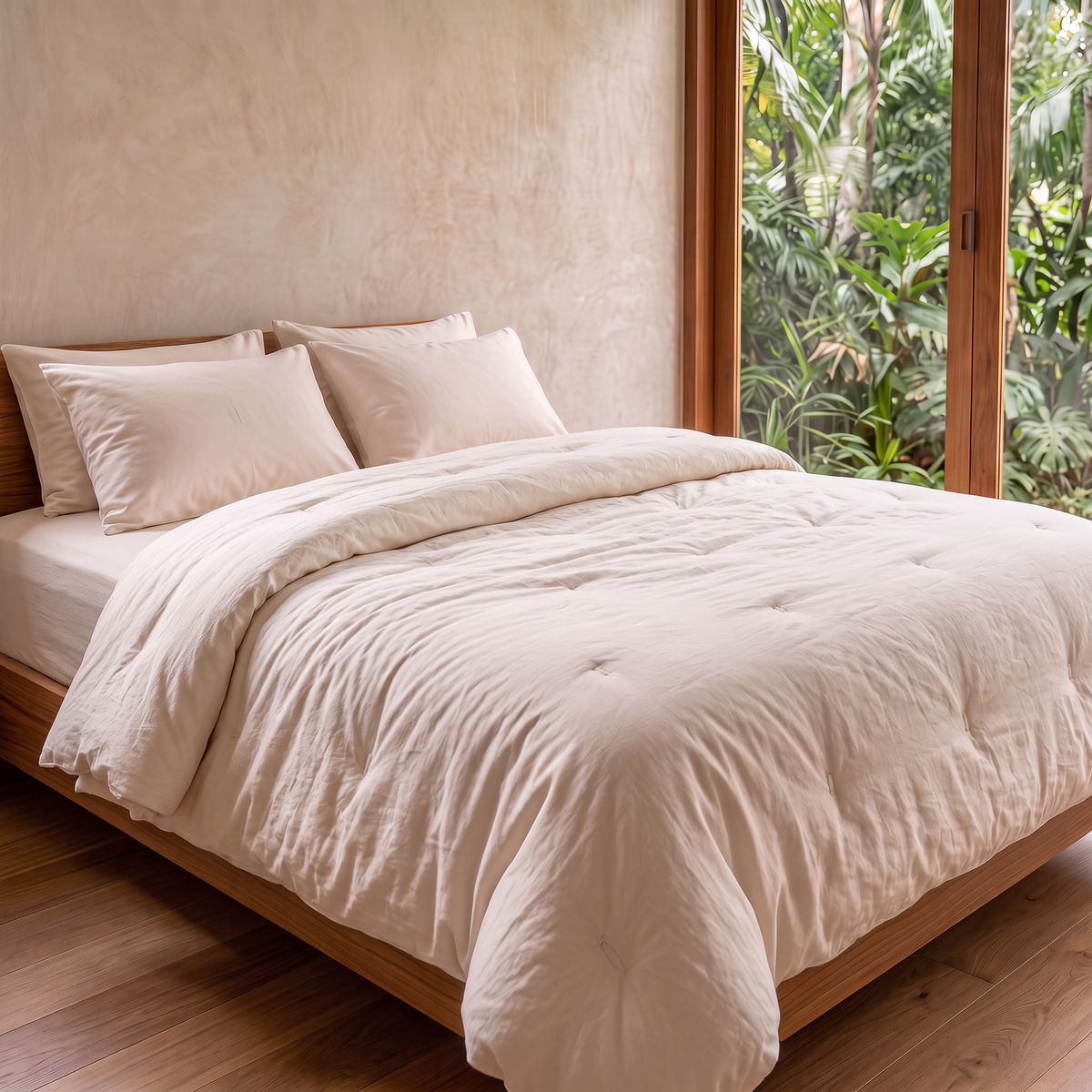
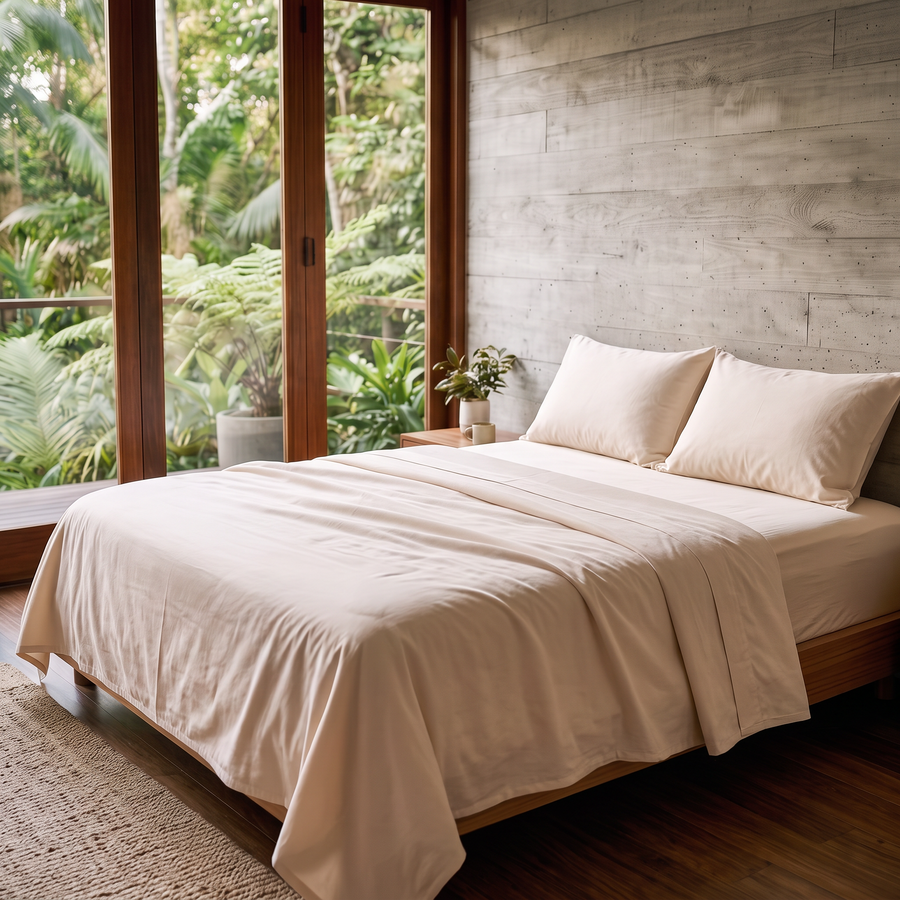
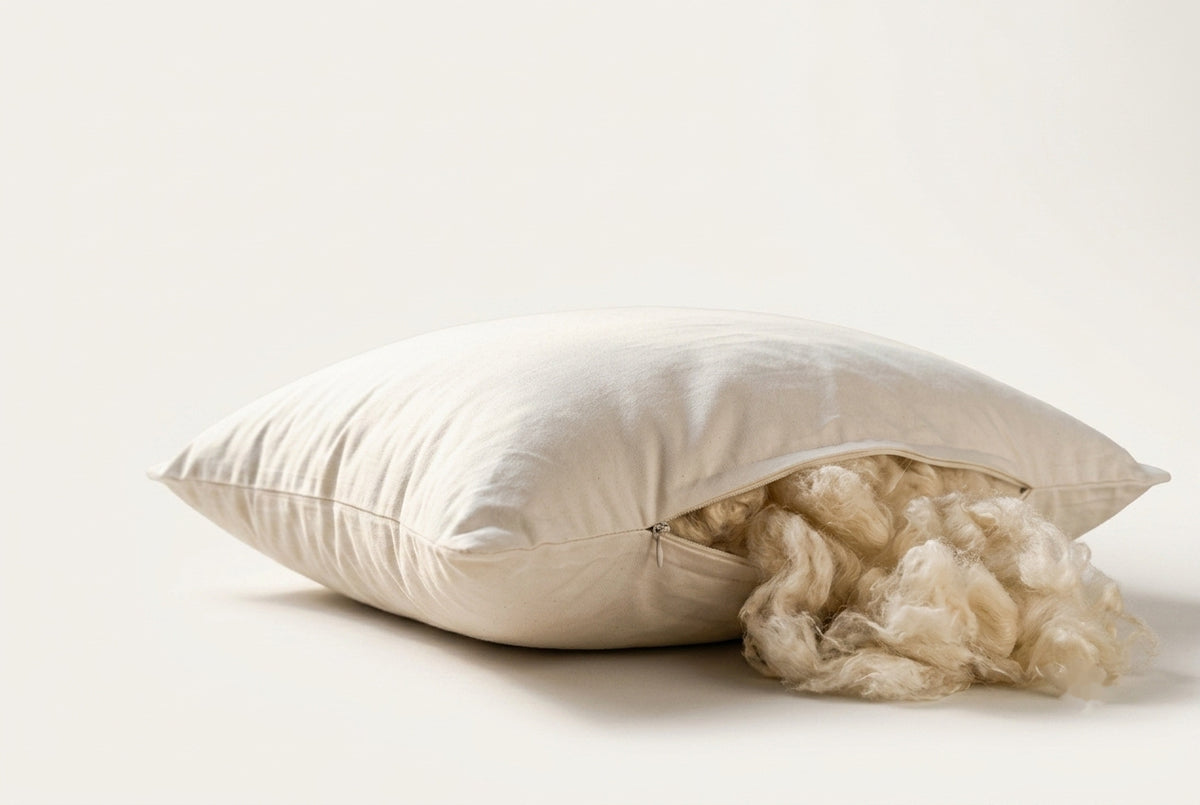
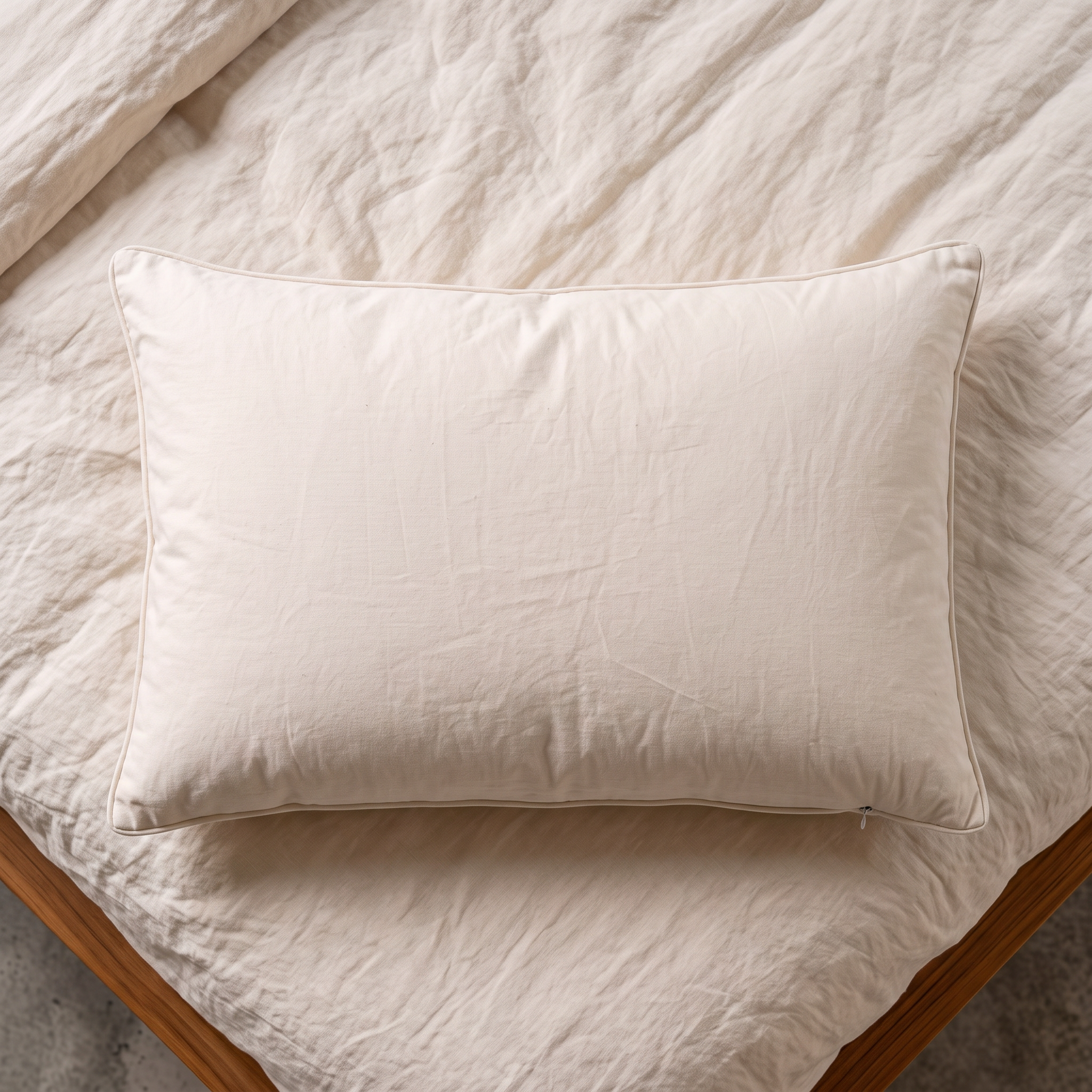
Our sheets are cut and sewn by hand in the USA from organic cotton sateen, 300 thread count, four over one weave, no bleach, no dye. They're coming soon, after the pillows. If you're already sleeping on our pillow cover, it's the same fabric, so you already know what they feel like.
Anthony
Founder, MAREA Sleep
If you find the Sleep Journal useful, you can add MAREA as a preferred source on Google. This is an optional preference for your own Google experience.





Leave a comment
This site is protected by hCaptcha and the hCaptcha Privacy Policy and Terms of Service apply.