
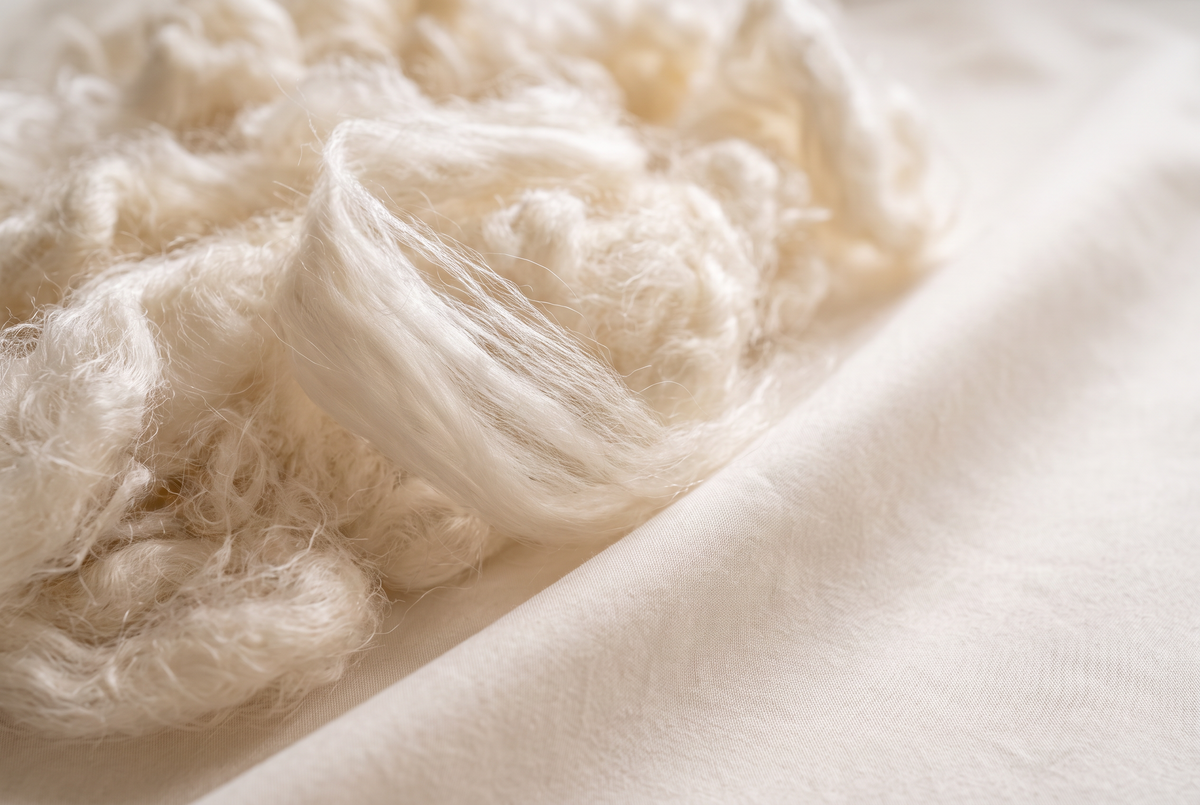
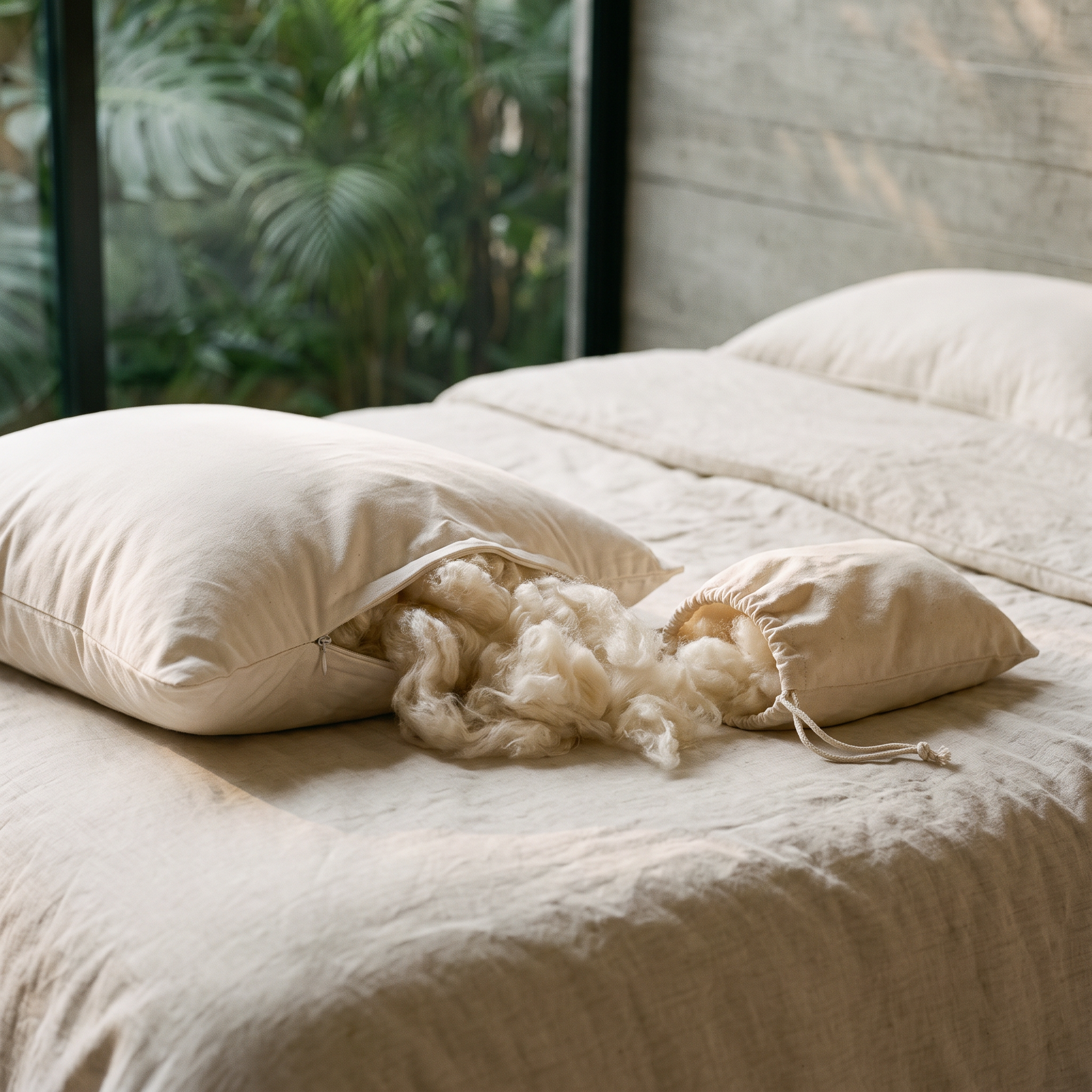
Kapok is the soft plant fiber surrounding the seeds inside kapok tree pods. In a pillow, it makes a light, loose fill you can shape by hand. MAREA uses 100% kapok fill, with nothing blended in.
Content reviewed October 3, 2026.
What does kapok feel like?
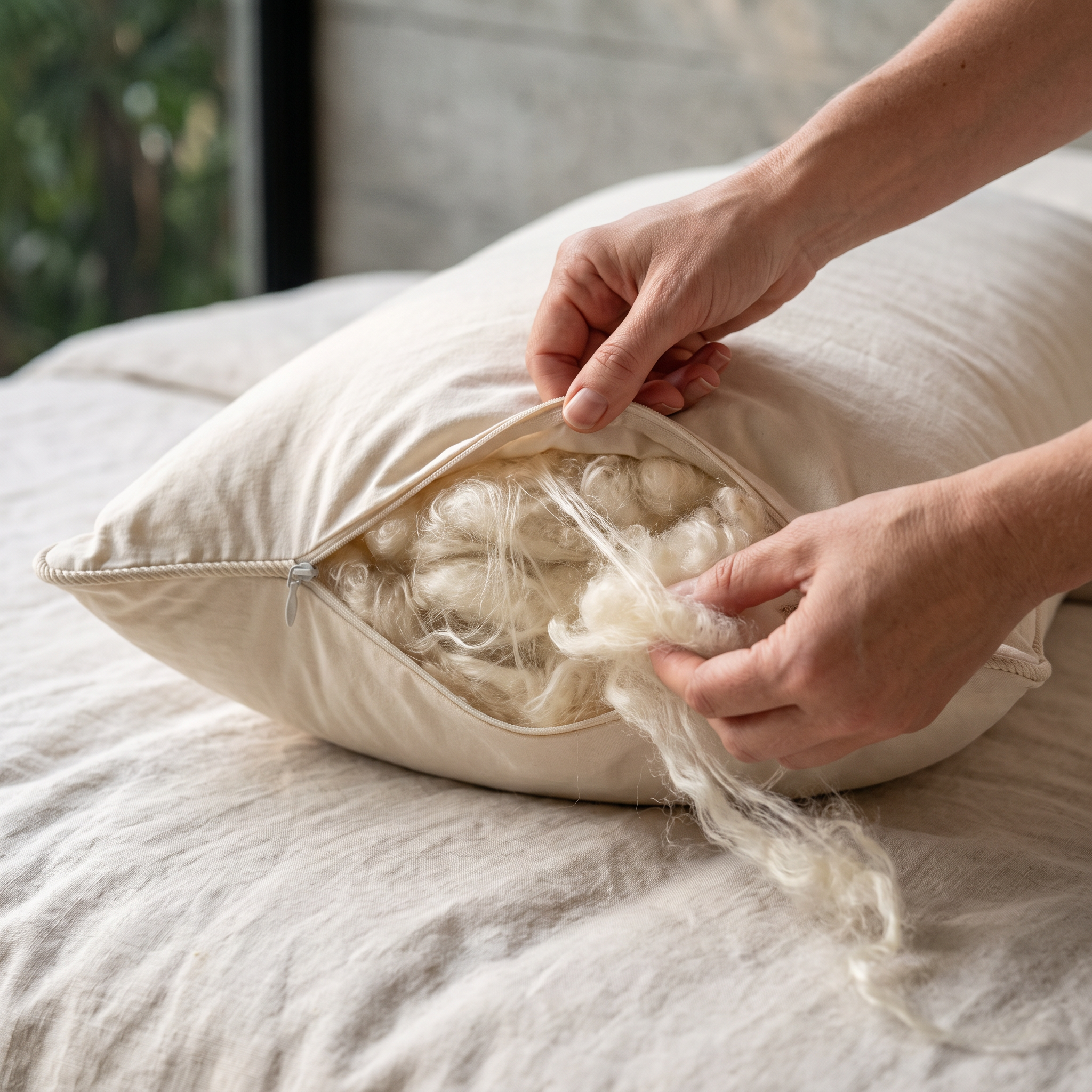
Kapok is light, silky and soft, and because it's loose fiber you can move it around inside the pillow. It feels nothing like a solid foam core: it gives under your head, then springs back when you fluff it. How high and firm the pillow feels depends on how much fill you keep in it, and on a MAREA pillow that's up to you. Comparing it with feathers? Read kapok vs down.
Each fiber is a hollow tube with a natural waxy coating, which is why kapok is so light and why it was once used to fill life jackets. Read the material research.
Why choose a kapok pillow?
- Plant based fill: no down, no foam, no polyester.
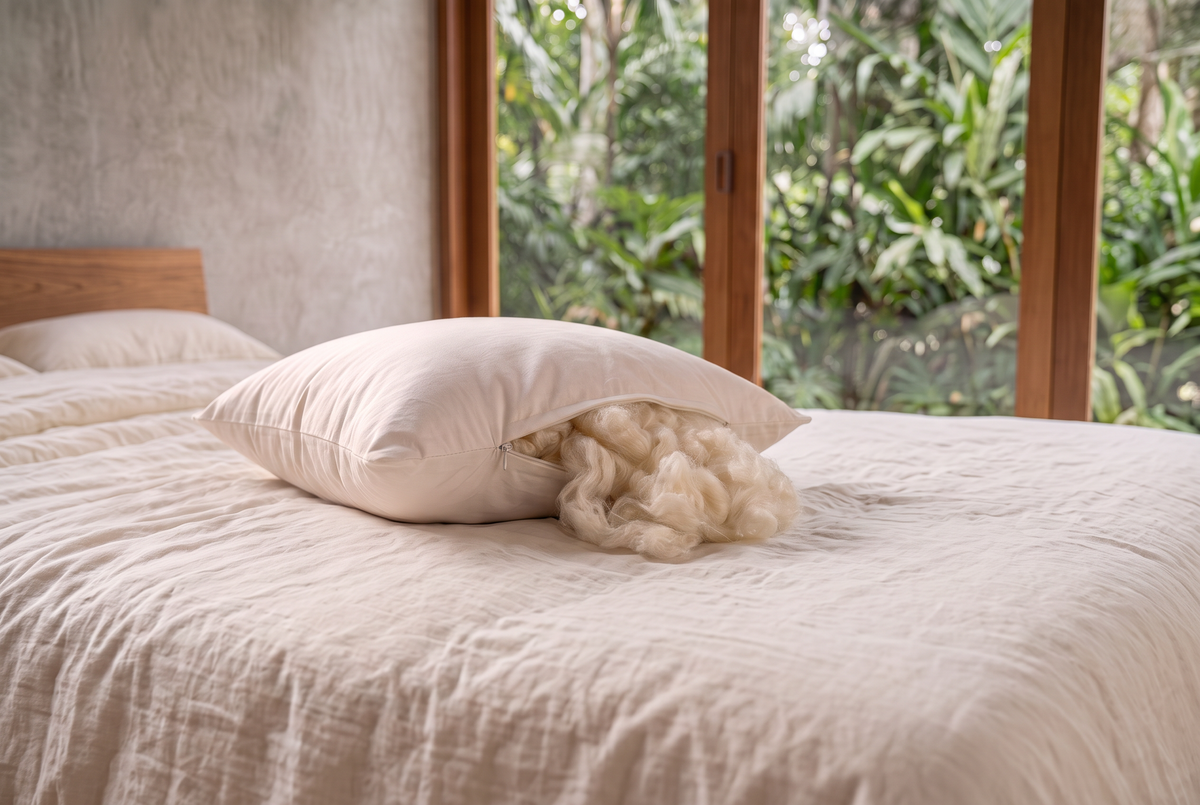
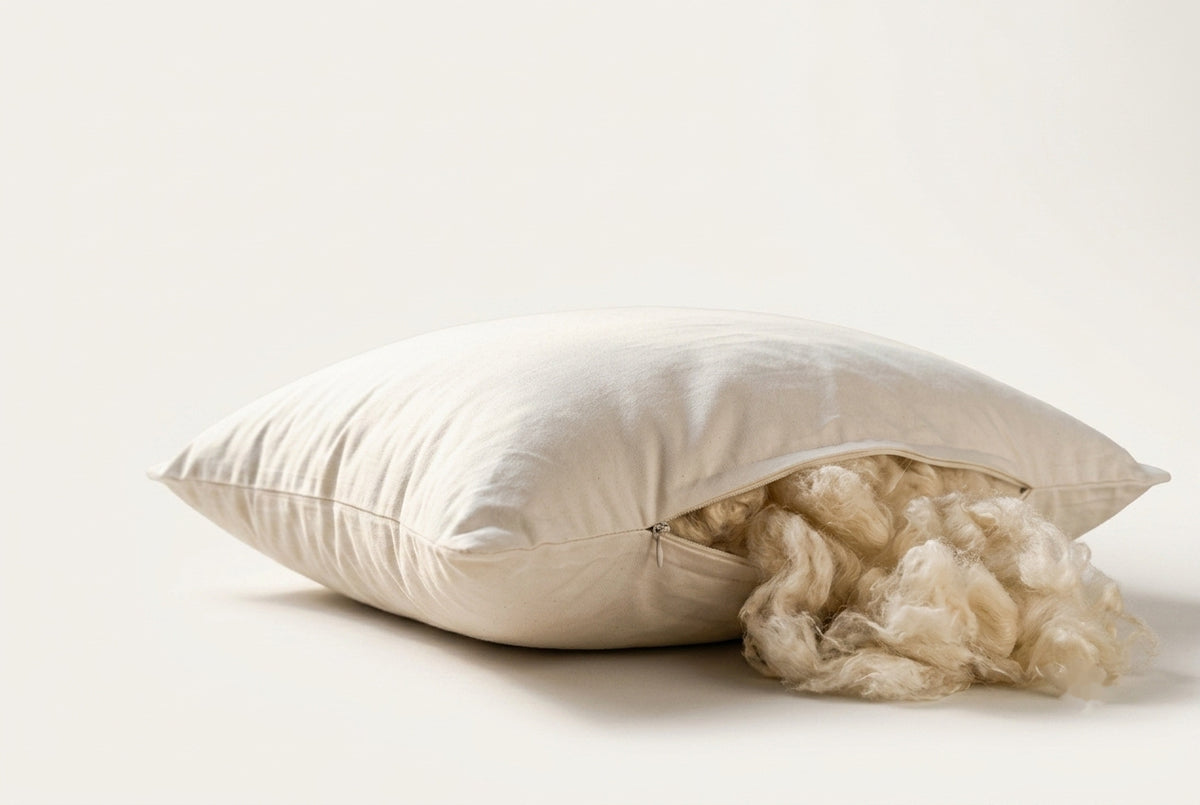
- Adjustable height: a zipper lets you remove or add fiber until it fits you.
- Moldable feel: shape it by hand, a little more under your neck, a little less where your head rests.
- Refillable: top it off with fresh kapok instead of replacing the pillow.
Kapok has a long history in bedding, documented in a nineteenth century account preserved by the Smithsonian. MAREA brings that traditional fill into an adjustable pillow. Explore kapok’s history.
Living with a kapok pillow
Give it a fluff when it feels uneven, and work over the bed when you adjust it so loose fibers stay put. The filled pillow stays dry; the zip off cover is the layer that goes in the wash.
Pure kapok versus a kapok blend
Read the full composition, not only the product name. Avocado Green Pillow combines latex and kapok; Layla Kapok Pillow combines memory foam and kapok. MAREA’s fill is kapok only, so you get kapok’s feel all the way through. See the construction comparison.
Where our kapok comes from
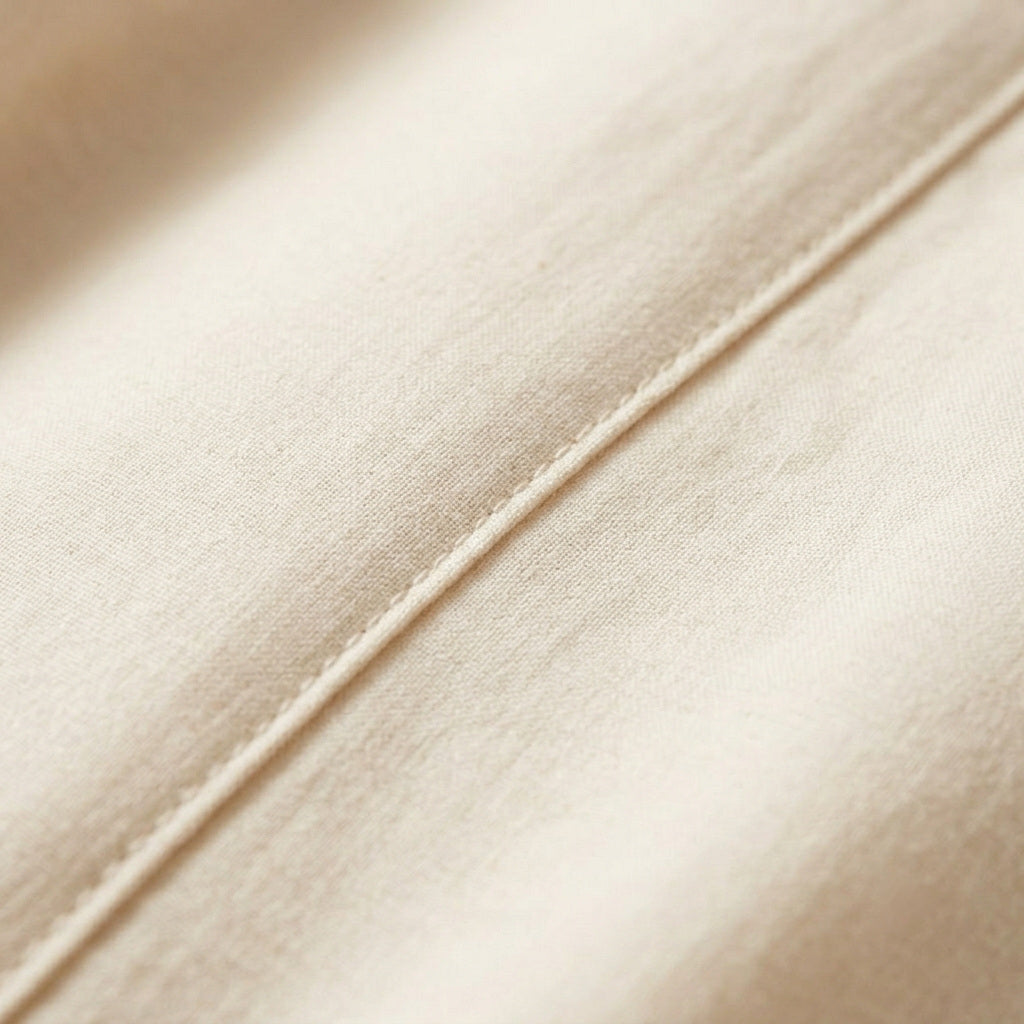
Our kapok is wild harvested, gathered from wild ceiba trees in Indonesia rather than farmed. The shell around it is organic cotton sateen. More reading: what wild harvested means, kapok and allergies and kapok and fire safety.
Choosing and caring for your pillow
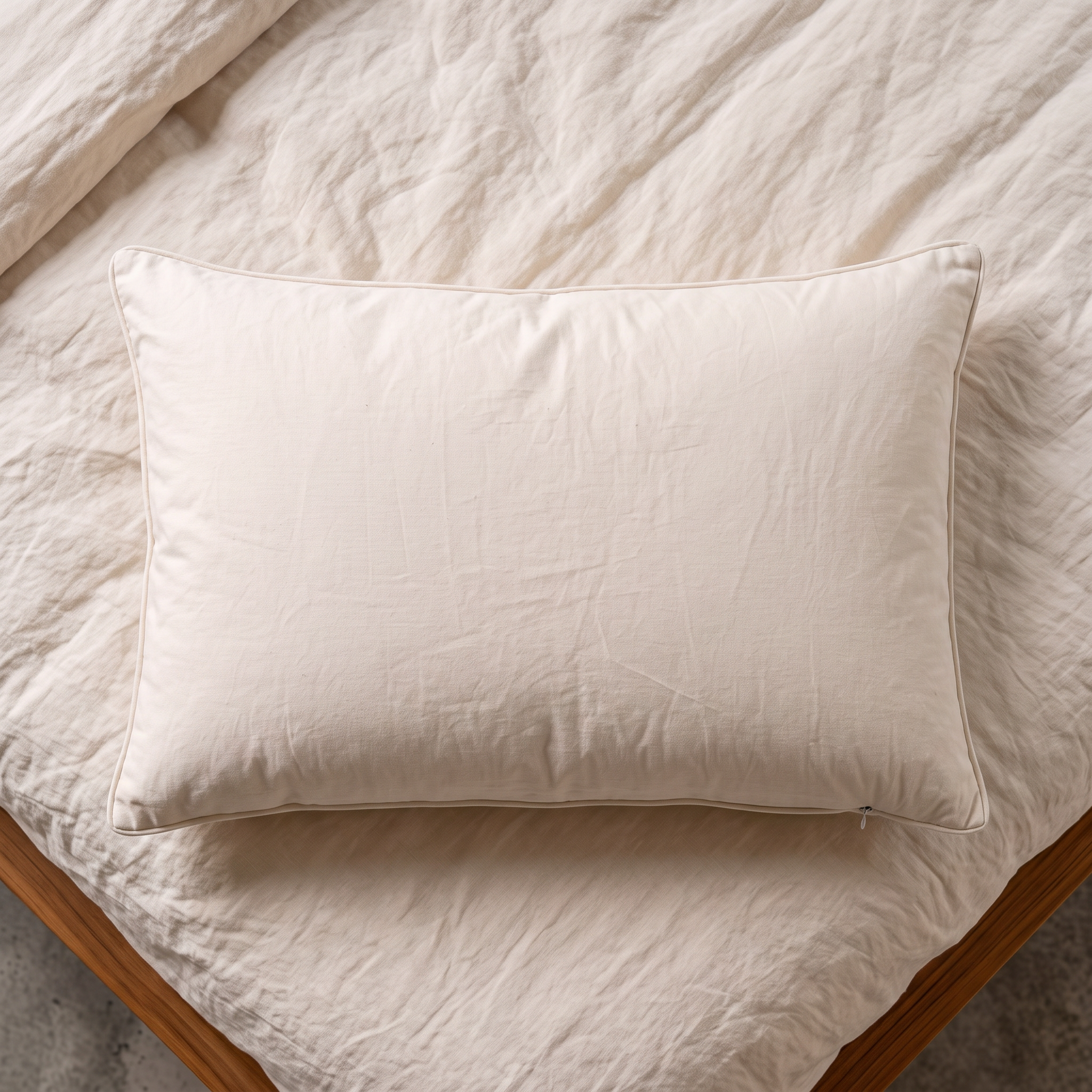
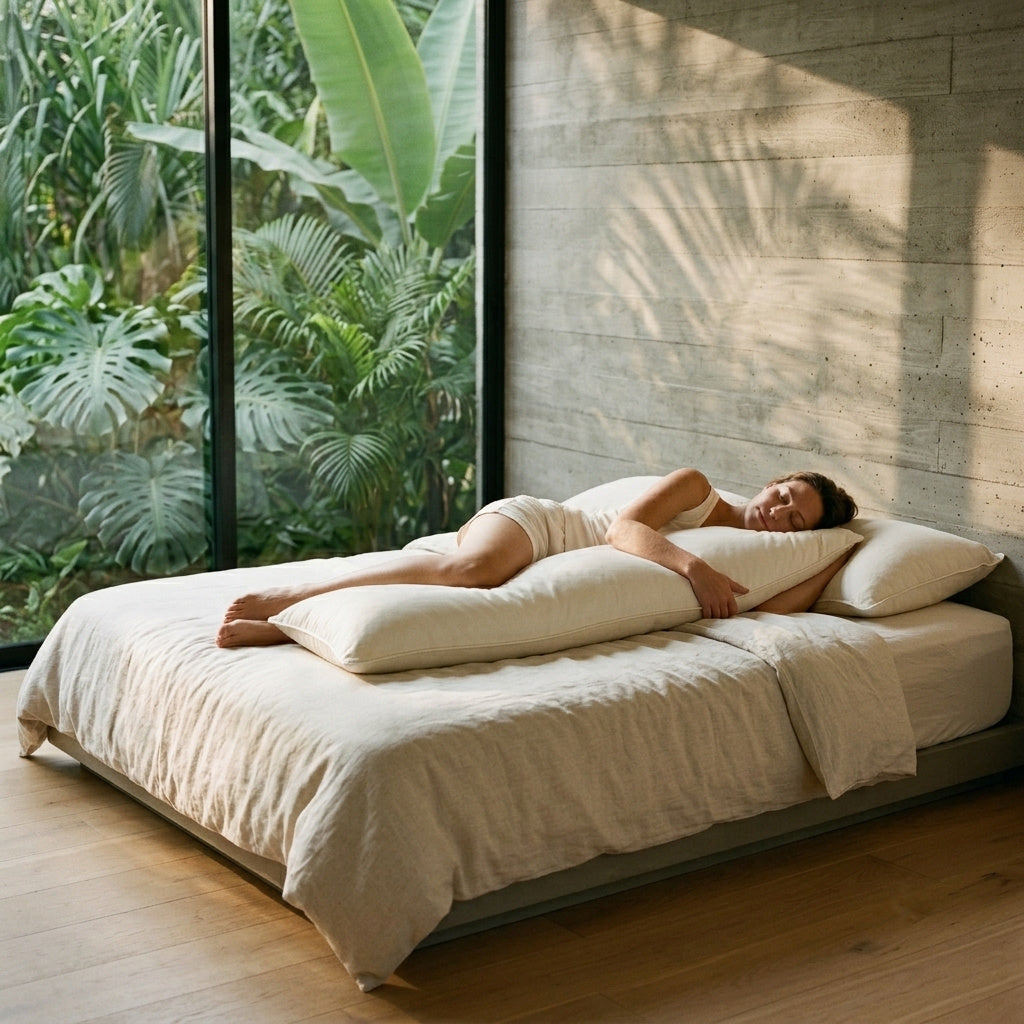
Choose width and length for your bed and pillowcases, then set sleeping height with the fill. MAREA offers Standard 20 × 26, Queen 20 × 30 and King 20 × 36 inch pillows, plus a 20 × 54 inch body pillow. The washable outer cover is sold separately. Shopping around? Use our checklist for choosing a kapok pillow.
Keep the filled pillow dry, spot clean the shell when needed and wash the separate cover according to its label. Follow the full care guide. Every pillow has a 100 day sleep trial from delivery.
More customer questions · Explore the adjustable MAREA kapok pillow
Anthony
Founder, MAREA Sleep
If you find the Sleep Journal useful, you can add MAREA as a preferred source on Google. This is an optional preference for your own Google experience.



Leave a comment
This site is protected by hCaptcha and the hCaptcha Privacy Policy and Terms of Service apply.