

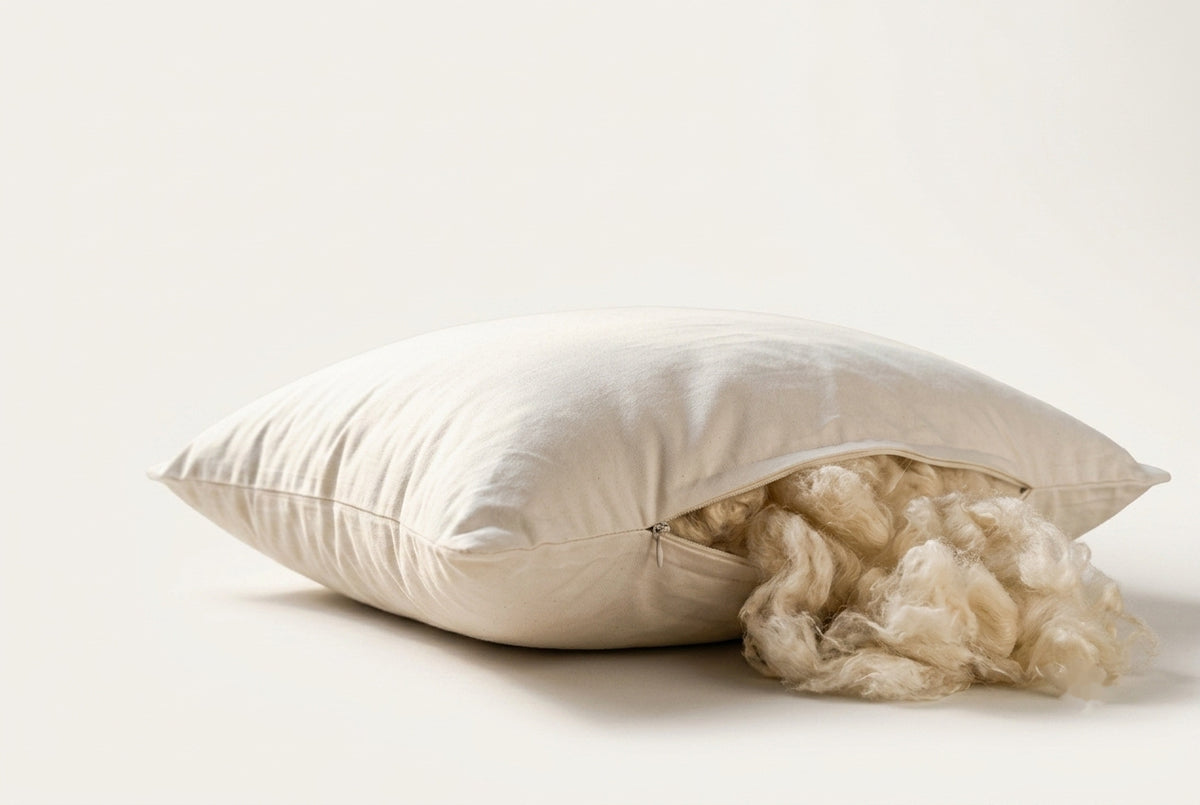
Kapok brings a long history of plant fiber comfort into the bedroom. Its soft floss grows around the seeds inside ceiba pods. People were filling pillows with it well before today's foam and fiber blends: a published account from 1890 describes kapok filled pillows in Tidore, in what is now Indonesia.
A tree with a cultural history
The ceiba has an important place in the cultural and spiritual lives of communities in the Americas. The Florida Museum describes that history alongside the tree's practical uses. Read the Florida Museum's account.
A documented place in the bedroom
F. S. A. de Clercq's account of the Ternate region was published in 1890. In a passage about Tidore, the English translation records that pillows were filled with kapok. It's a concrete glimpse of an established household material, not a modern invention.
See the Smithsonian's bibliographic record and page 48 of its English translation.
The life jacket years
Kapok also has a history beyond bedding. Kew describes its use in buoyancy aids during the Second World War, when its light, water resistant fibers made a comfortable, flexible filling. That same lightness is what you feel in a kapok pillow today. Read Kew's account of the ceiba tree.
Why the material still appeals
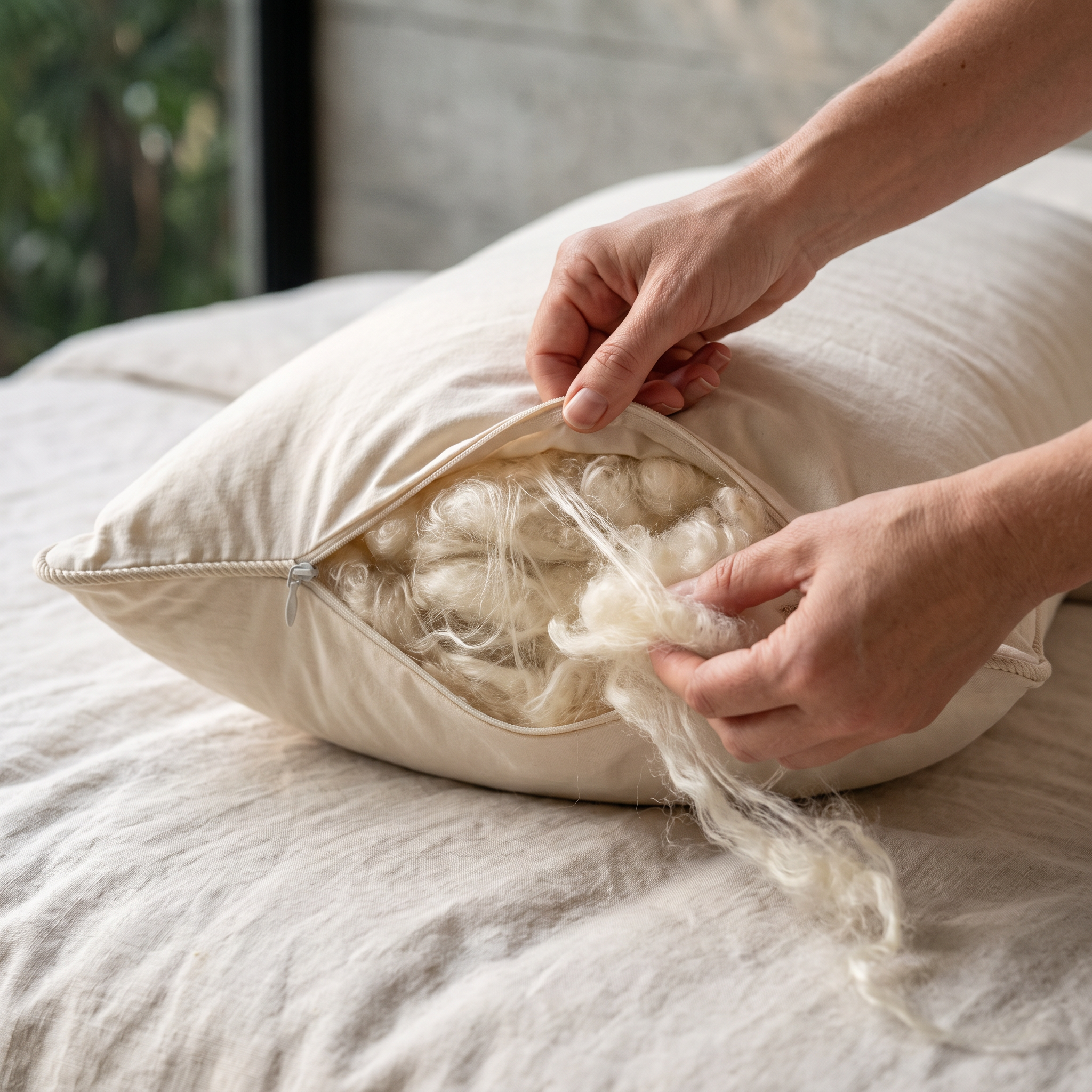
For someone choosing a plant based bedroom, kapok is a clear alternative to animal down and foam. It's soft and loose enough to shape by hand. The appeal is both familiar and practical: a fiber from a seed pod, with a feel you can explore for yourself. Our kapok guide covers the everyday questions.
A traditional fiber, with room to adjust
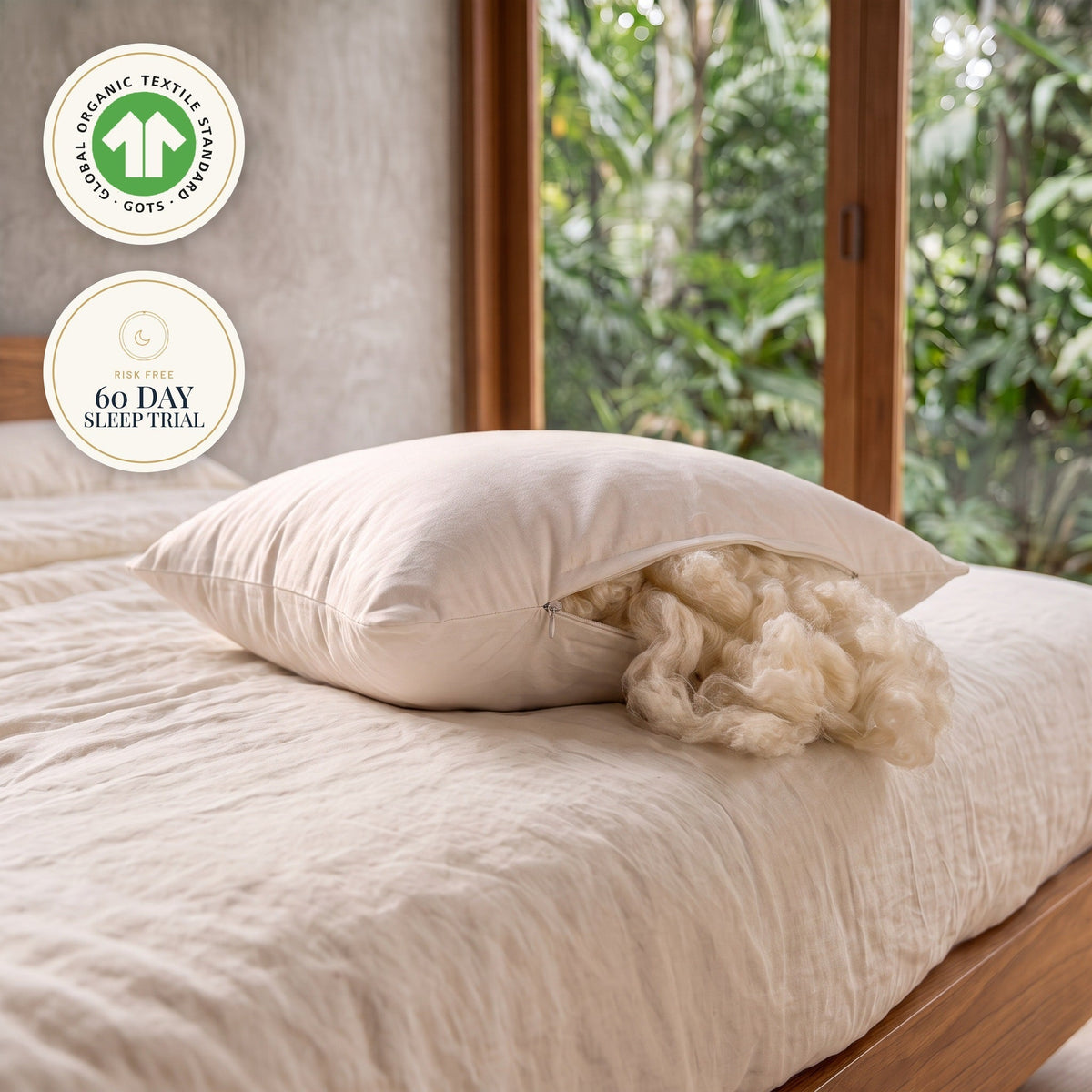
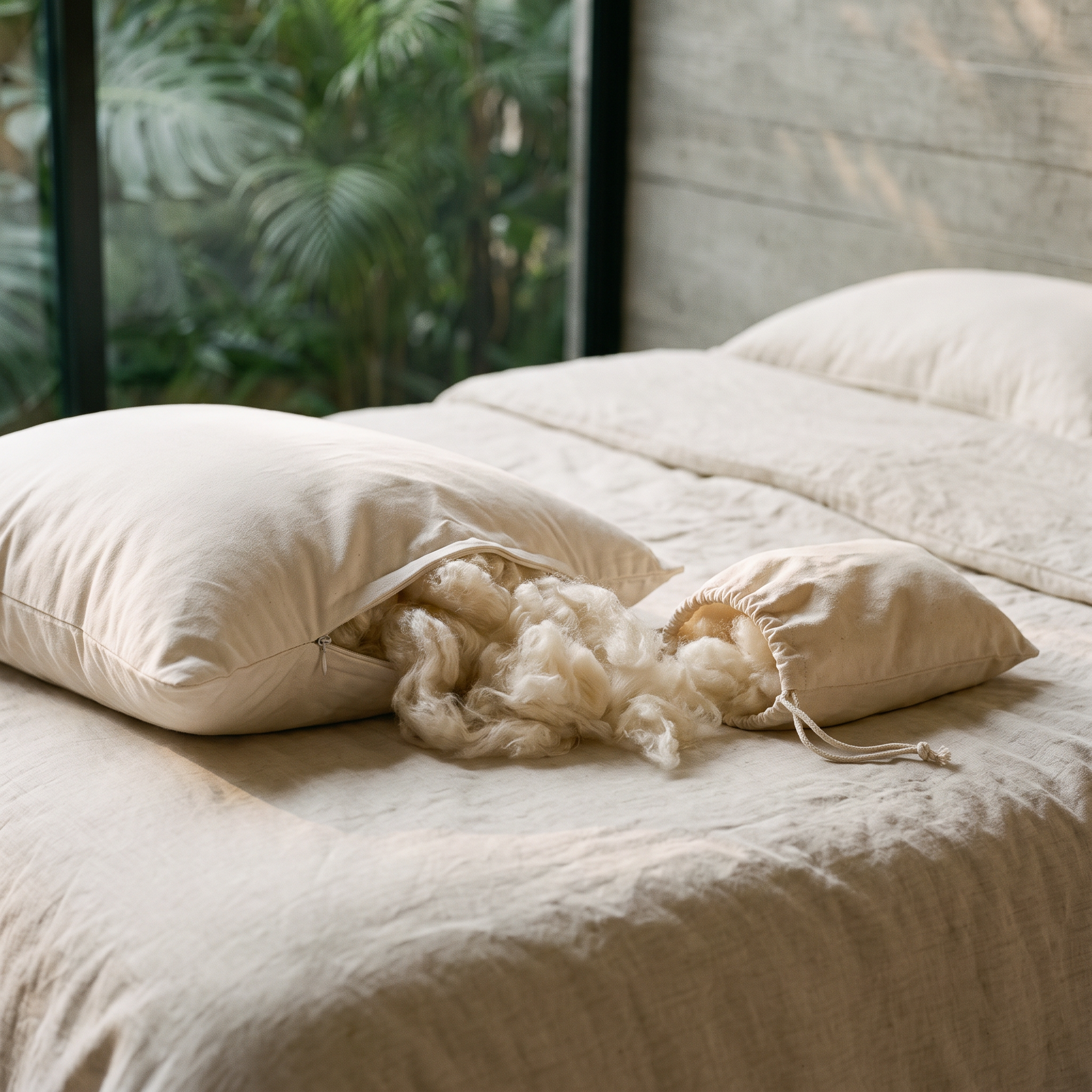
MAREA pairs kapok with a zippered shell, letting you remove or add fill until you find your height. Fiber you take out can be saved for later, and when you want more loft, kapok refill is available separately.
Where MAREA fits in that story
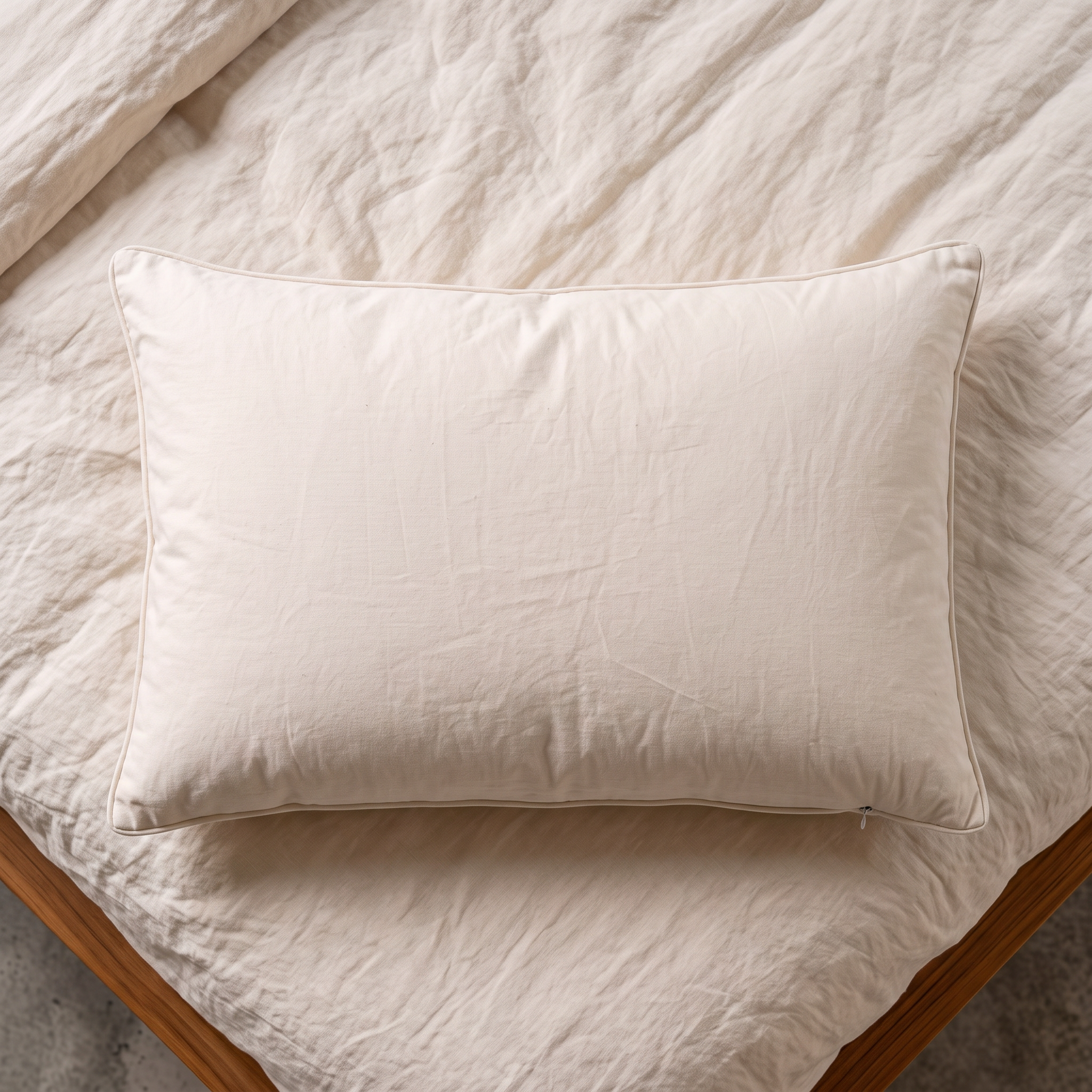
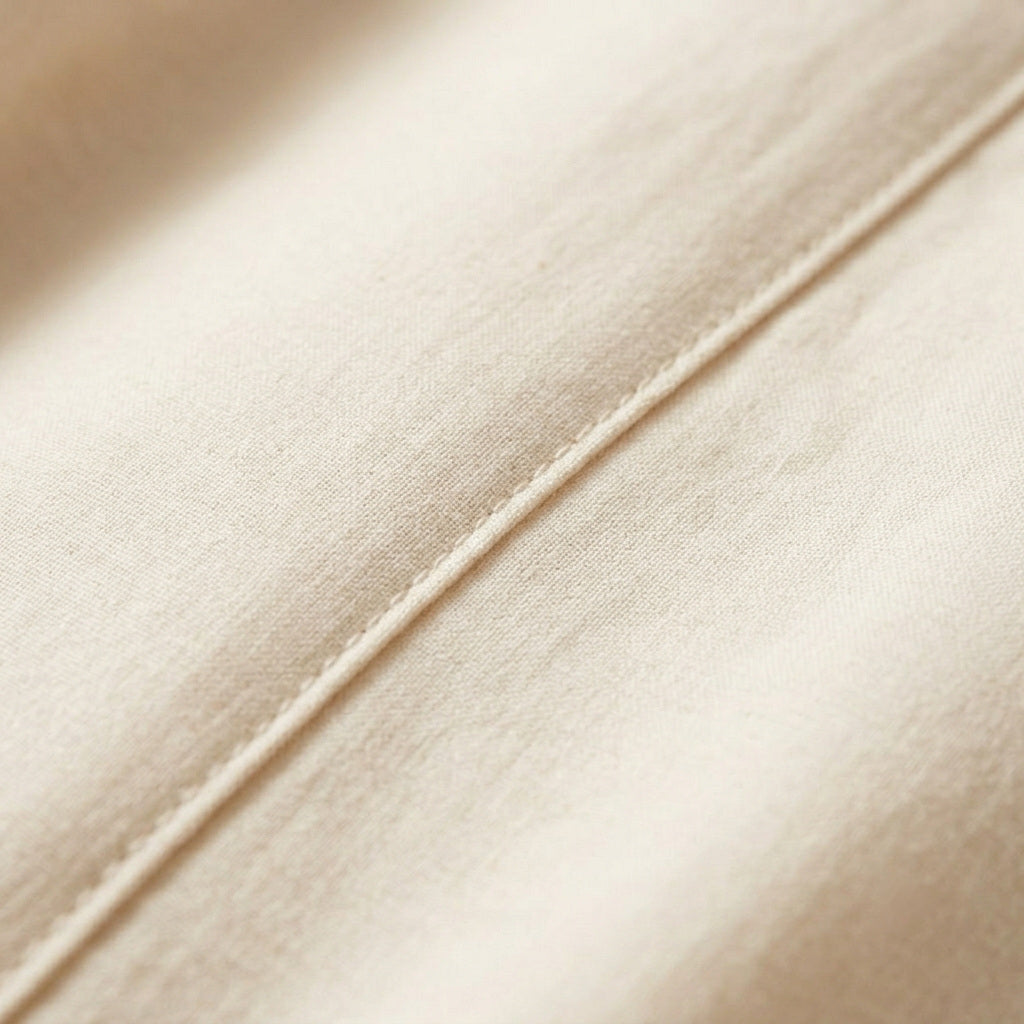
Our fill is wild harvested kapok from Indonesia. We pair it with organic cotton sateen fabric, and every pillow is handcrafted in the USA and designed in Hawaii.
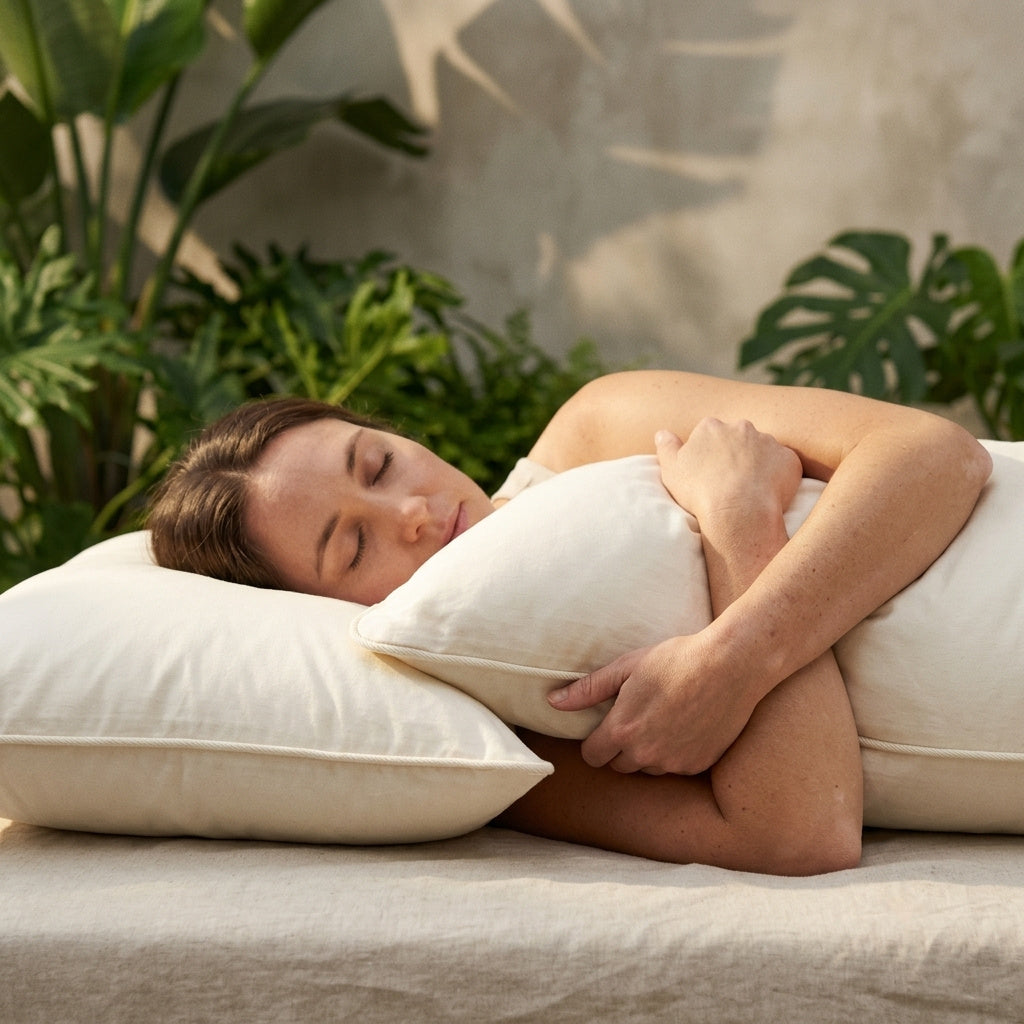
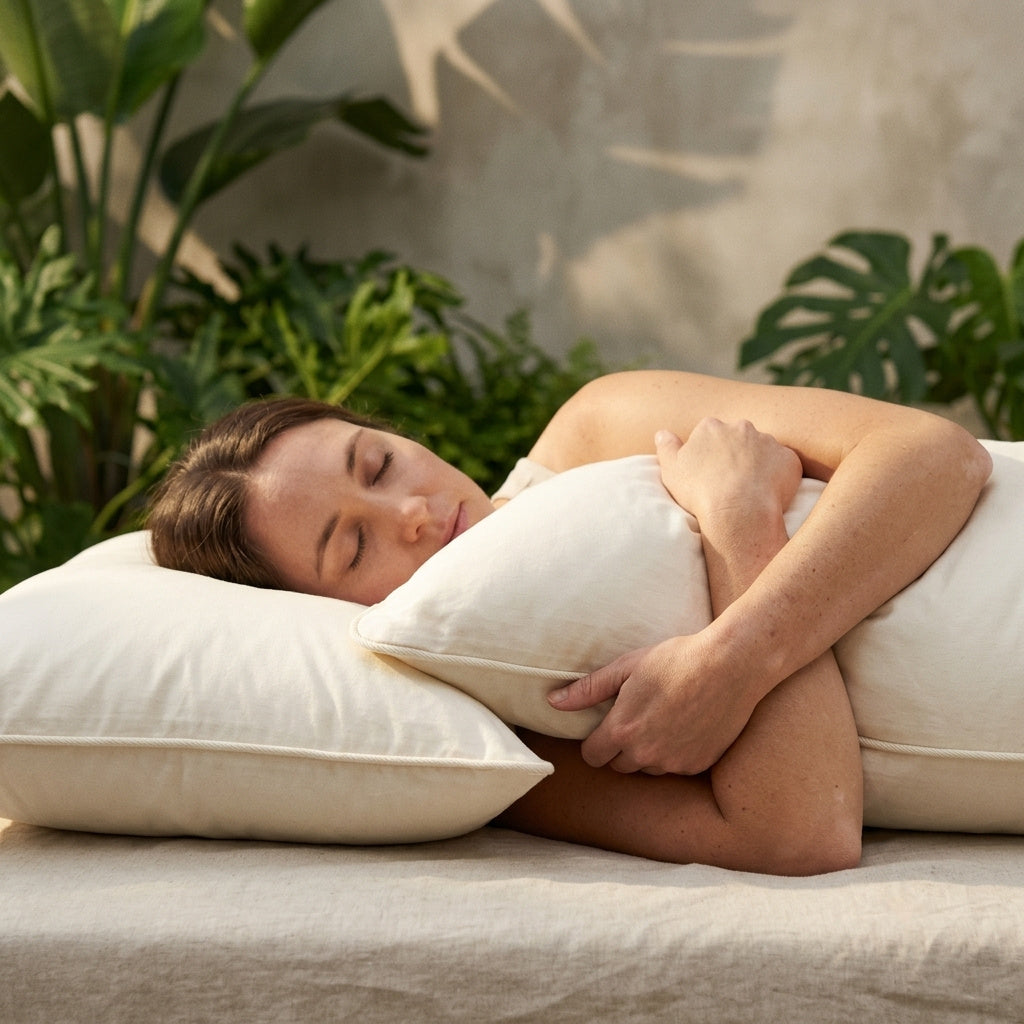
That's the idea behind MAREA: traditional plant fiber, organic cotton fabric, and comfort you can adjust. Explore the kapok pillow or the 20 × 54 inch body pillow. For the modern half of the story, read what wild harvested actually means.
Anthony
Founder, MAREA Sleep
If you find the Sleep Journal useful, you can add MAREA as a preferred source on Google. This is an optional preference for your own Google experience.




Leave a comment
This site is protected by hCaptcha and the hCaptcha Privacy Policy and Terms of Service apply.